

Environment
We have a responsibility to collectively find appropriate and practical solutions in response to climate change and are therefore committed to reducing our environmental footprint while supporting our clients through the energy transition.
VINCI has made the environment a strategic priority in a bid to address the climate emergency. It comes as no surprise that VINCI Energies has aligned with the Group’s environmental ambition across three main areas.
3 levers of action
-
Act for the climatereduction of CO2 emissions, energy efficiency, resilience of structures
-
Optimise ressources thanks to circular economysorting and recovery of waste, materials
-
Preserve natural environmentsBiodiversity, water, air, soil…
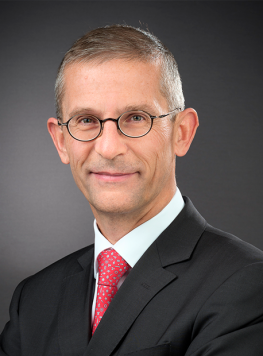
At all levels of our organisational structure, there is a strong belief that we must serve as a leader and a source of inspiration in the field of environmental protection.
Chairman and Chief Executive Officer of VINCI Energies
Reducing our environmental footprint
We pledged to reduce our greenhouse gas emissions by 40% between 2018 and 2030 by setting ourselves precise targets and measuring them over time. In keeping with our decentralised structure, each of our business units has taken this approach on board to work out its own CO2 equivalent reduction scenario, implementing initiatives that reflect the realities of its region and operations. We are taking concrete steps to reduce our environmental footprint by using alternative fuels and renewable energy, deploying electric vehicle fleets and conducting energy audits across our buildings.
Providing our clients with environmental solutions
Across all our business lines, we leverage our role as an integrator to support and advise our clients throughout their energy efficiency projects, including the audit, design and maintenance of facilities that consume less electricity. Our companies are demonstrating their creativity by designing environmentally services that suit their clients’ infrastructure and buildings, enabling them to reach their carbon footprint reduction targets.
Our objective is to be pragmatic and open and opt for the solutions that are most effective and best suited to the context of each of our countries and clients. Once these solutions have been tested on the ground, our brands — Actemium, Axians, Omexom and VINCI Energies Building Solutions — play a vital role in coordinating and sharing them with all our business units.
Our projects and the environment
Examples