

VINCI Energies and UNICEF* scale up their international partnership
VINCI Energies renewed its partnership with UNICEF* on 28 October 2026 to continue working towards more equitable access to education and digital technology. The partnership, which was launched for an initial four-year period in 2022, has exceeded its initial targets overall in the three countries included in the programme, namely Benin, Brazil and Timor-Leste. It is now expanding into Senegal, with a new programme that harnesses digital technology to enhance learning.
Initial results exceed original targets
The Covid-19 pandemic exposed disparities in access to schools and digital tools, underscoring the need for new ways to support learning – especially in rural and remote areas of countries with limited educational infrastructure. In response, VINCI Energies and UNICEF France teamed up on a programme tailored to children’s and teenagers’ needs, improving their access to the Internet, IT equipment and digital learning.
The programme’s impact is clear from the results it has achieved over the first four years. It initially aimed to train 400 teachers in 56 schools and reach over 20,000 pupils, and ultimately trained more than 940 teachers in 57 schools, benefiting nearly 42,000 pupils in the three countries.
Alongside equipment and connectivity, the programme focused on teacher training and the use of digital technology in teaching. Experience showed that IT tools are most effective when used in conjunction with teaching methods tailored to pupils’ needs and local circumstances.
Improving access to education, especially for girls, in Benin
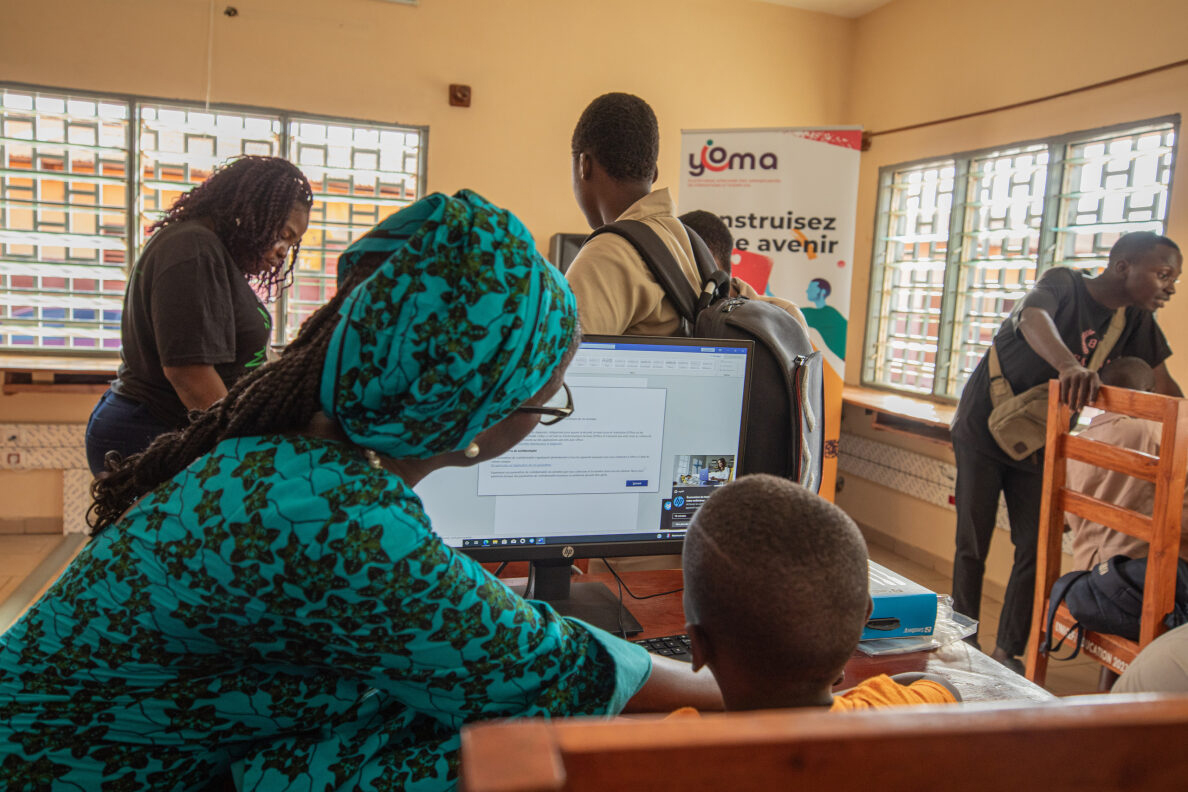
In northern Benin, where access to education is particularly difficult for girls, the programme initially targeted 11,200 pupils, including 5,600 girls, in 16 schools. By the end of the initial four-year partnership, 17 schools had been connected to the Internet and supplied with computers, printers and projectors. In all, the programme benefited 33,215 pupils, including 15,926 girls, in the schools originally selected and other schools.
Local teams also supported communities in other ways alongside the VINCI Energies and UNICEF programme, for example by funding school bags for children.
In the renewed partnership, the aim is now to embed the programme within Benin’s education system and extend its reach across the country. The next phase targets 25 secondary schools and 42,500 young people aged 10 to 18, including 5,000 out-of-school teenagers and young people who will take part through five youth employment centres.
Training teachers and fostering inclusion in Timor-Leste
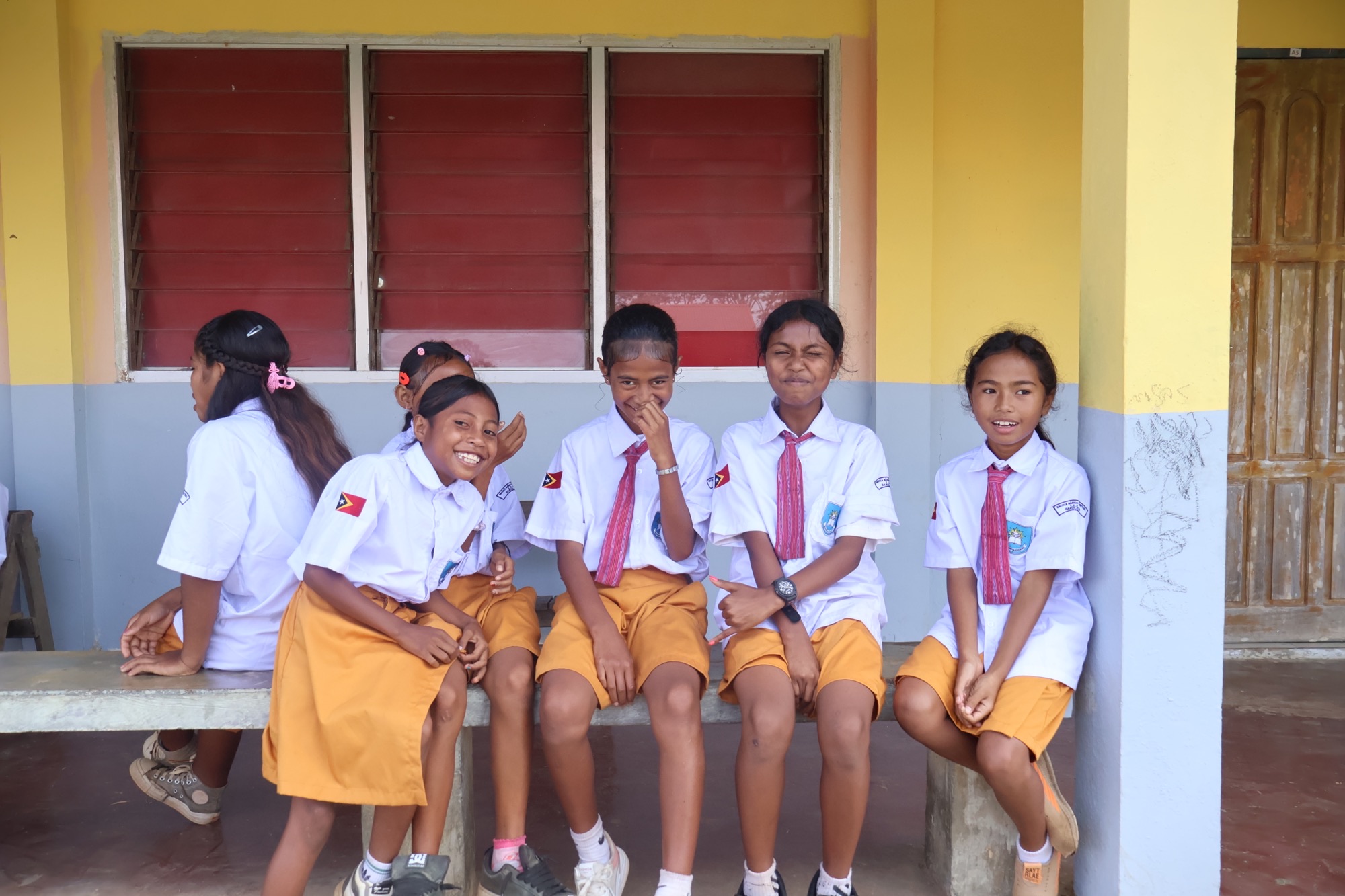
In this country, where a considerable proportion of the population lives beneath the poverty line, the programme equipped all 10 initially selected schools and helped 438 teachers build their digital skills, exceeding the original target – 256 – and reaching a total of 5,119 pupils aged 6 to 15.
The programme had to take local circumstances into account, including the range of pupils’ ages, the need to adapt learning materials for younger children and the use of Tetum, a local language, in those materials. To make learning more inclusive, the programme provided adapted resources for 58 children with visual impairments.
The next phase will expand the programme to reach 780 teachers in 30 secondary schools and 18,000 pupils, including 350 with disabilities.
Leveraging digital technology to support learning and communities in Brazil
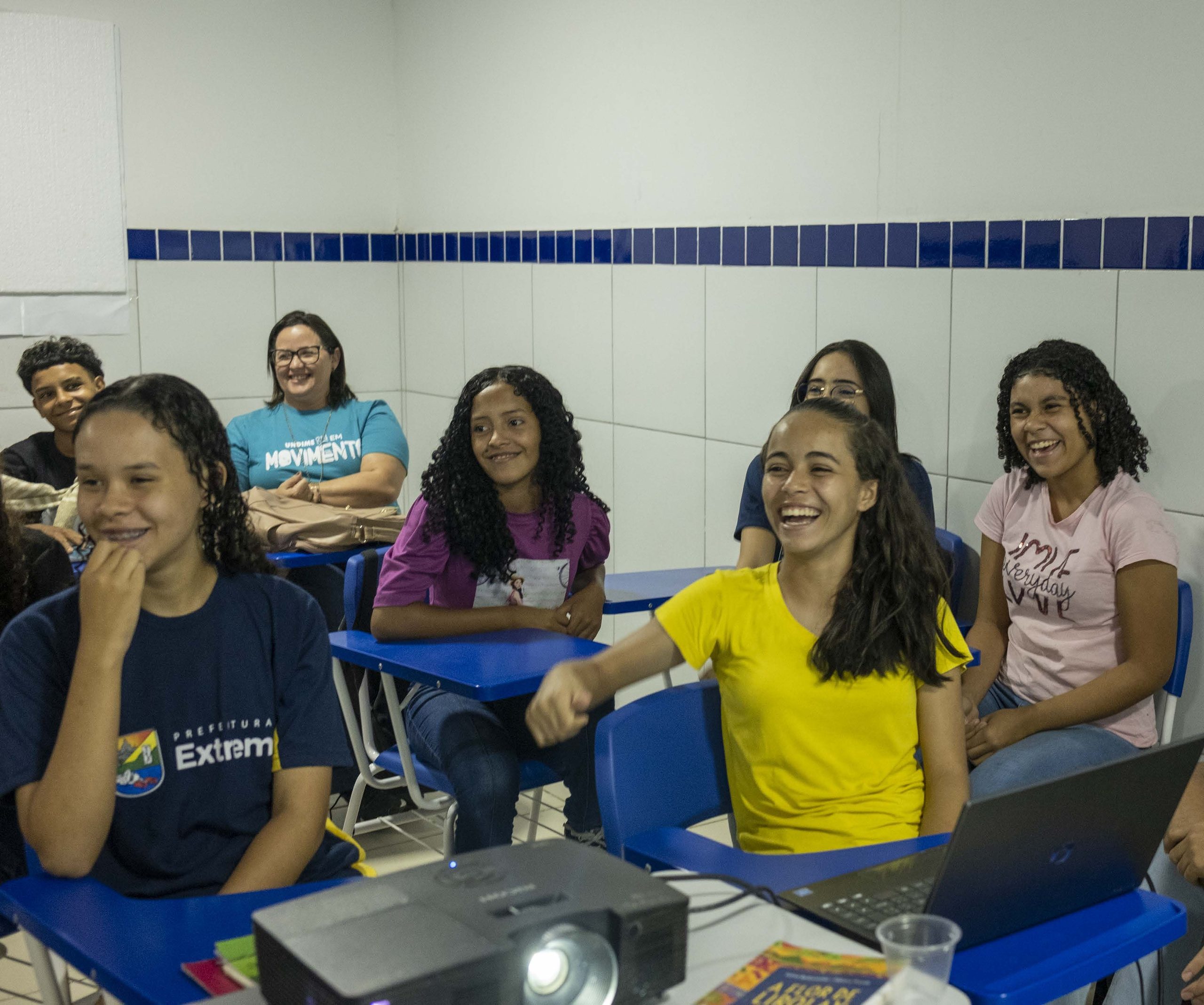
In Brazil, VINCI Energies and UNICEF supported 30 state schools, including several serving rural areas and communities with limited digital infrastructure in the country’s semi-arid region and the Amazon. Ten of these schools were connected to the Internet, and the project trained 469 teachers and school leaders, reached a wider group of 608 education professionals, and directly involved 3,204 pupils.
Digital technology also brought local history and cultural heritage into the classroom, helping young people connect with their communities.
A survey of around 200 teachers shows a significant shift in teaching practices: 88% of schools and 20% of teachers now use digital technology in education, up from 30% and 6% respectively before the programme.
These results have paved the way for the programme to scale up. From this year, it aims to reach 34,000 pupils and 8,500 teachers and head teachers. It will also help 12 education departments adopt policies that promote digital skills.
A long-term partnership
The achievements so far prompted VINCI Energies to continue working with UNICEF. Several factors informed the decision to renew the partnership, including the benefits for children and teachers, the trust that has developed between the partners and employee support for a community initiative with international reach.
This commitment builds on VINCI Energies’ longstanding support for children, including its partnership with Mécénat Chirurgie Cardiaque, which dates back to 2017.
VINCI Energies does more than fund programmes: the group also encourages its employees and business units to get involved locally and internationally. Its Back to School campaign every September provides opportunities for employees to learn more about the partnership with UNICEF, get involved and raise additional funds. Dossards Solidaires, another programme, enables employees to raise funds for the education project with UNICEF by taking part in sporting events.
The partnership also connects educational needs with VINCI Energies’ expertise in infrastructure, energy and digital technology, creating opportunities for its teams to engage with young people interested in energy careers and solutions.
A new programme in Senegal
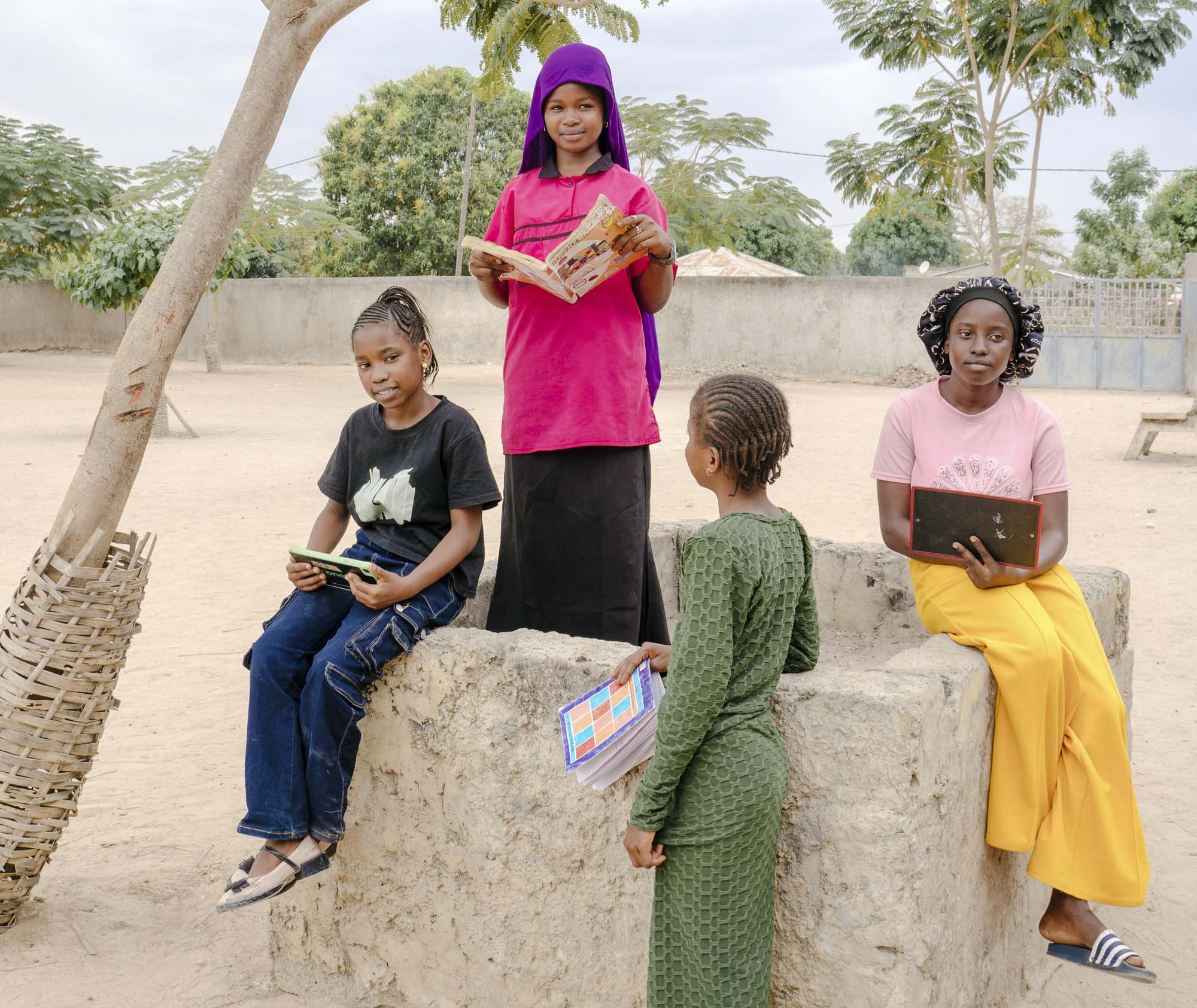
The renewed partnership is also expanding into Senegal, where the Xam ak Jang Tech programme aims to make digital education more inclusive, particularly in rural areas with limited digital infrastructure. It will follow a phased approach like the one adopted in the first three countries.
The programme will support 150 teachers in 15 secondary schools and 8,250 pupils. It builds on the partners’ shared aim to reduce inequalities in access to digital technology, strengthen teachers’ skills and give children learning opportunities tailored to local circumstances.
Leveraging the experience gained from the first programmes and the support of its employees, VINCI Energies plans to keep working alongside UNICEF to bring lasting improvements in access to inclusive education and create new opportunities for young people.
The first four years of the partnership have shown that the model works and laid solid foundations for the future. The renewed partnership, which will run until 2030, marks a new phase for VINCI Energies and UNICEF. They will build on their achievements so far, reach more children and teachers, and help to embed digital technology in local education systems. Their long-term ambition is to make education more accessible and more inclusive while equipping it to rise to tomorrow’s challenges.
*UNICEF does not endorse any company, brand, product or service.
© UNICEF / Frank Dejongh